Vintage Illustrations - Charms: A Visual Treasury for Modern Creators
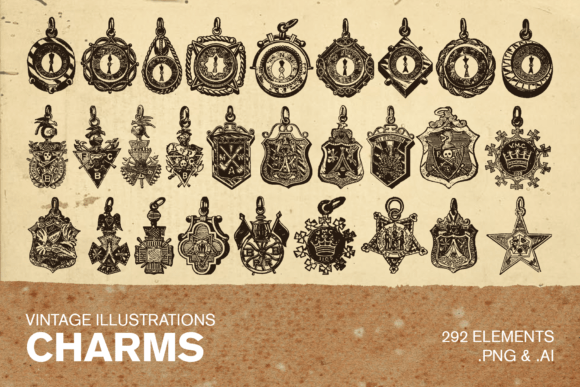
There's a distinct warmth and narrative depth that only vintage artwork can bring to a project. In a digital landscape saturated with sleek vectors and flat design, the intricate detail of an 18th or 19th-century engraving offers a refreshing sense of history and craftsmanship. If you have been looking for a way to add that specific layer of heritage to your work without spending hours in archives, the Vintage Illustrations - Charms collection is a resource worth exploring. This set brings together 292 highly detailed illustrations, carefully restored from historical books and catalogs, offering a versatile toolkit for anyone from a brand strategist to a hobbyist crafter.
The Aesthetic of the Engraving: More Than Just Clip Art
When we talk about these illustrations, we aren't talking about generic stock images. The Vintage Illustrations - Charms collection is defined by the specific visual language of cross-hatching, fine linework, and organic asymmetry that characterized printmaking before the digital age. These images carry a personality that feels authentic and tangible. They possess a "grain" and a weight that modern vector art often struggles to replicate. The subject matter—charms—adds a layer of symbolism and mystique, making them perfect for projects that need to convey meaning, luck, protection, or nostalgia.
Visually, these assets sit beautifully alongside other design elements. If you are working with a serif font, the detailed lines of the illustrations often mirror the thick-and-thin strokes of the typeface, creating a natural harmony. Conversely, pairing these detailed engravings with a clean sans serif font creates a striking contrast that balances modern readability with vintage charm. This flexibility is what makes the collection a powerful design asset. It isn't just decoration; it is a tool for establishing visual hierarchy and mood.
Real-World Applications: From Branding to Packaging
For designers and entrepreneurs, the utility of a premium font or illustration set lies in its adaptability. Here is how you can integrate the Vintage Illustrations - Charms into various workflows:
- Logo Design and Brand Identity: In a crowded market, a unique brand identity is essential. A detailed charm illustration can serve as a standalone mark or as a secondary brand element used on business cards, letterheads, and social media avatars. For a coffee shop, a boutique clothing line, or an artisanal goods store, these illustrations instantly communicate quality and tradition.
- Editorial and Publishing: If you are a blogger, author, or publisher, you know the struggle of finding affordable, high-quality art for chapters, headers, or pull quotes. These illustrations work exceptionally well in editorial design, breaking up large blocks of text and guiding the reader's eye. They add a layer of sophistication to e-books, newsletters, and magazine layouts.
- Packaging Design: Physical products benefit immensely from tactile-feeling visuals. Whether you are designing labels for a craft beer bottle, a soap wrapper, or a tea tin, the engraving style of the Vintage Illustrations - Charms suggests a product that is handmade, carefully curated, and time-tested.
- Digital and Social Media: On platforms like Instagram or Pinterest, where visual scroll-stopping power is currency, these illustrations can be used as backgrounds, texture overlays, or focal points for quote graphics. They help create a cohesive aesthetic that feels curated rather than algorithmic.
Technical Considerations: AI, PNG, and Workflow Efficiency
A major pain point for creators is finding assets that actually work with modern software. The Vintage Illustrations - Charms set is provided in both AI and transparent PNG formats, which addresses the needs of nearly every user.
The AI format (vector) is ideal for Adobe Illustrator users who need to scale the images infinitely without losing quality. This is crucial for packaging design or large-format printing. You can easily change stroke weights, combine elements, or integrate them into complex vector illustrations. This level of control is what separates professional design assets from low-resolution web images.
The transparent PNG format, on the other hand, is a lifesaver for those using Canva, Adobe Express, or even PowerPoint. It allows for "drag-and-drop" functionality. You don't need to be a vector expert to use them. A blogger can simply drop a charm image onto a photo to create an instant overlay. A small business owner can add a transparent illustration to a social media post without worrying about awkward white boxes around the image.
Integrating with Typography and Modern Design
One of the most common questions in design is about font pairing. How do you mix styles without creating chaos? The Vintage Illustrations - Charms collection acts as a bridge between different typographic styles.
Imagine you are designing a poster using a script font or a handwritten font. While these fonts are expressive, they can sometimes lack the structure needed for a professional layout. By anchoring the script text with a detailed vintage charm illustration, you ground the design. The illustration provides the "seriousness" or the "texture" that allows the expressive typography to shine without looking messy.
Conversely, if you are using a very rigid, geometric sans serif font for a tech startup or a modern typography layout, the organic nature of these illustrations can soften the edges. It adds a human touch to an otherwise sterile interface. This is a subtle way to influence brand perception—it tells the audience that while you are modern and efficient, you also value history and detail.
Practical Guidance for Selecting and Using These Assets
Before you start downloading and placing these images into your projects, it is helpful to take a strategic approach. Here are a few professional tips for getting the most out of the Vintage Illustrations - Charms:
- Evaluate the Context: Not every project needs a vintage illustration. Assess your target audience. If your demographic is 20-30 years old and focused on cutting-edge tech, a heavy vintage aesthetic might feel out of place unless used ironically. However, for audiences 30-50+ who appreciate heritage, craftsmanship, or storytelling, these images will resonate deeply.
- Test for Scalability: Even though the AI files are vector, test the PNG files at the size you intend to use them. If you are making a small icon, ensure the intricate details of the charm don't turn into a muddy blob. Sometimes, you may need to crop into a specific part of the illustration to maintain clarity at small sizes.
- Check Commercial Licensing: This is non-negotiable for professionals. Ensure that the license for the Vintage Illustrations - Charms covers your intended use, whether it is for client work, merchandise, or digital products. Most commercial font and asset licenses are clear, but always verify if you plan to use them in "print-on-demand" scenarios where the image itself is the primary value of the product.
- Don't Overdo It: The appeal of these illustrations is their detail. If you cover an entire page with 50 different charms, the design will look cluttered. Use them as accents—a single charm next to a header, or a cluster of three to create a focal point. This maintains the professionalism of the layout.
The Value of Restored History
Finally, it is worth noting the unique value of "restored" illustrations. The creators of the Vintage Illustrations - Charms set have done the tedious work of cleaning up 19th and 18th-century prints. This means you get the beauty of the history without the noise, dust, and damage often found in raw scans. This restoration process ensures that the lines are crisp and the transparency is clean, saving you hours of Photoshop cleanup time.
Whether you are a content creator looking for a signature style, a marketer aiming to stand out in email campaigns, or a crafter making personalized gifts, this collection offers a robust library of visual storytelling tools. It bridges the gap between the analog past and the digital present, allowing you to create work that feels both timeless and relevant.