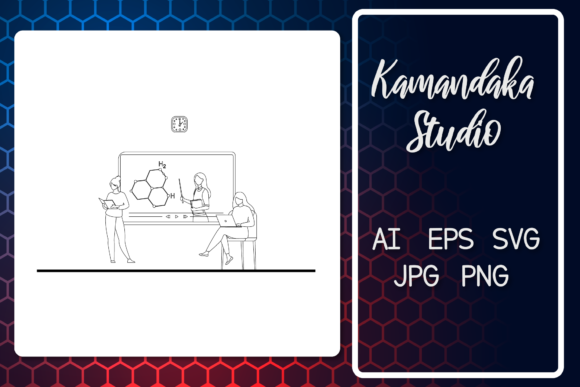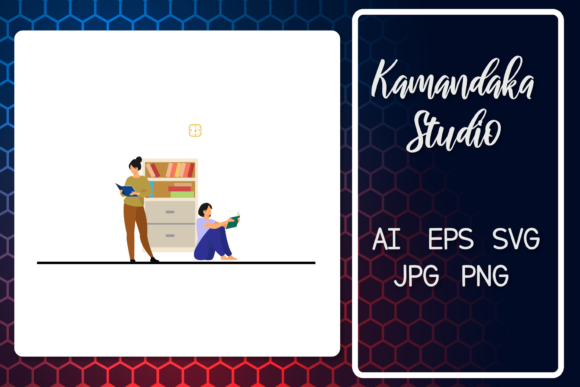
Unlocking Creativity with Education Illustrations Vectors
In the fast-paced world of digital marketing and brand building, visual assets are no longer a luxury—they are a necessity. However, finding graphics that are versatile, scalable, and professional can often feel like searching for a needle in a haystack. This is where high-quality Education Illustrations step in. These aren't just static images; they are comprehensive design solutions tailored for the modern creator. Whether you are a designer crafting a logo, an entrepreneur developing a brand identity, or a content creator looking for engaging social media graphics, understanding the power of vector design is crucial. Education Illustrations offer a blend of clarity and adaptability, ensuring your message is not only seen but remembered.
The Technical Edge: Why Vector Files Matter
When we talk about Education Illustrations, we are primarily discussing vector-based design assets. Unlike raster images (such as standard JPGs or PNGs), which are made up of pixels, vector graphics are composed of mathematical paths. This distinction is vital for anyone working in branding or marketing. If you try to enlarge a pixel-based image for a billboard or a large print banner, it will eventually blur and pixelate, ruining the professional look of your project.
With vector files, specifically the AI 10 and EPS 10 files included in these packages, scalability is infinite. You can shrink an illustration down to the size of a favicon or blow it up to the side of a van without losing a single ounce of quality. This makes Education Illustrations a premium asset for logo design and packaging design. The clean lines and crisp edges ensure that your brand identity remains sharp across all mediums. Furthermore, the inclusion of SVG files makes these assets perfect for web design, ensuring fast load times and responsive scaling on mobile devices.
Visual Personality and Stylistic Appeal
The style of Education Illustrations often leans towards clarity, approachability, and modern aesthetics. Depending on the specific set, you might find flat design elements that fit perfectly with contemporary modern typography, or perhaps hand-drawn styles that add a human touch to digital interfaces. The visual personality of these illustrations is generally designed to be instructional yet engaging. They break down complex ideas into digestible visual cues, making them ideal for explainer videos, infographics, and editorial design.
For content creators and bloggers, the appeal lies in the ability to maintain a consistent visual language. Instead of mixing and matching stock photos that clash in lighting and color grading, using a cohesive set of Education Illustrations unifies your content. They act as a visual shorthand, helping to establish brand recognition. Whether you are creating a header image for a blog post or a thumbnail for a YouTube video, the consistent style of these vectors helps build a professional portfolio that audiences can trust.
Practical Applications Across Industries
The versatility of Education Illustrations extends far beyond the classroom. While they are obviously useful for e-learning platforms and academic institutions, their utility spans various sectors:
- Corporate Branding: Businesses use these illustrations to soften their corporate image. Instead of using stiff stock photos, a friendly vector illustration can make a company feel more accessible and innovative. This is particularly effective in brand identity work for startups and tech companies.
- T-Shirt and Merchandise Design: Because vectors are resolution-independent, they are the gold standard for print-on-demand services. The Education Illustrations can be scaled to fit chest pockets or full-front prints without re-drawing, saving hours of production time.
- Social Media Graphics: In the scroll-stopping world of Instagram and TikTok, custom graphics stand out. Marketers can use these vectors to create unique story backgrounds, post highlights, and animated stickers that align with their campaign goals.
- App and UI Design: User Interface designers often struggle to find onboarding graphics that are lightweight. SVG files from Education Illustrations sets are perfect for app interfaces, offering high-quality visuals that don't bloat the application size.
Integrating Vectors with Typography
A great illustration is only as good as the typography it accompanies. When working with Education Illustrations, pairing them with the right typeface is an art form. Because these illustrations often carry a specific mood—be it playful, serious, or academic—the font choice must complement, not compete.
For instance, if you are using a playful, rounded illustration style, pairing it with a rigid, traditional serif font might create a disjointed feeling. Instead, a clean sans serif font or a modern display font often works best to maintain that contemporary look. Conversely, if the illustrations are hand-drawn or sketchy, a script font or handwritten font can enhance that organic, authentic vibe. The goal is to create a visual hierarchy where the illustration supports the message of the text, and the text anchors the meaning of the illustration. This synergy is what separates amateur designs from professional creative font and image compositions.
Maximizing Your Design Assets
To get the most out of your Education Illustrations, you need to treat them as a toolkit rather than a single-use item. Here are a few practical tips for designers and entrepreneurs:
- Deconstruct and Reconstruct: Don't just use the illustrations as they are. In Adobe Illustrator, break the vectors apart. Use a single element—like a book, a lightbulb, or a pencil—as an icon for your navigation bar or a bullet point for your list items. This extracts more value from the asset and ensures brand consistency.
- Color Harmony: Vectors are easily editable. Change the color palette of the Education Illustrations to match your specific brand hex codes. This simple adjustment transforms generic stock art into bespoke brand assets.
- Animation Potential: Since you have access to AI and EPS files, you can import these into After Effects or other animation software. Turning static illustrations into subtle motion graphics for your website or social media can significantly increase user engagement.
- Print Preparation: When using these for packaging design or merchandise, always ensure your color mode is set to CMYK for print, whereas web usage requires RGB. The vector format allows you to switch between these without quality loss.
Making the Right Choice for Your Project
Choosing the right set of Education Illustrations involves evaluating the "personality" of the asset against the goals of your project. Ask yourself: Does this style match my audience? If you are targeting parents for a tutoring service, a warm, friendly illustration style is likely better than a cold, abstract geometric set. If you are designing for a corporate training module, a structured, isometric style might convey the necessary professionalism.
Always review the included files. A comprehensive package that includes AI, EPS, PNG, JPG, and SVG offers the ultimate flexibility. The PNG and JPG are ready for immediate use in presentations or blogs, while the vector formats allow for deep customization. This "easy to use" nature means you spend less time wrestling with file formats and more time creating. Ultimately, investing in high-quality vector design assets like Education Illustrations is an investment in your brand's visual future, ensuring you have the tools to communicate clearly and professionally in a crowded marketplace.