Halloween Bone Illustrations: Beyond the Gimmick
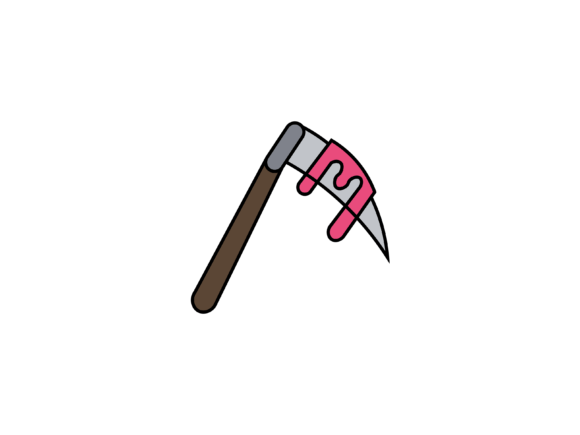
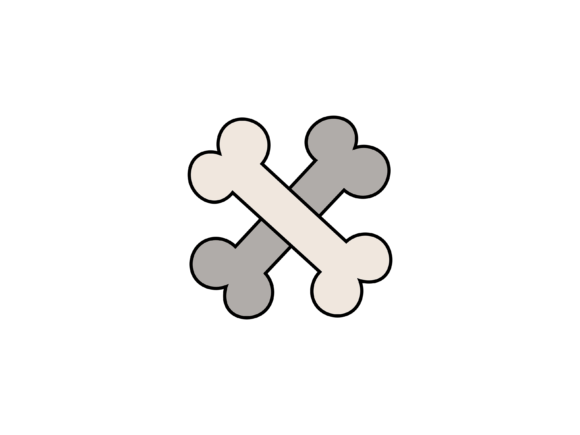
When we think of seasonal assets, our minds often drift toward the "spooky" scripts or the grungy horror fonts that dominate October. However, the true utility of a design asset lies in its versatility. Halloween Bone Illustrations breaks the mold of standard typography by offering a visual language that is both thematic and surprisingly adaptable. It is not merely a set of scary drawings; it is a curated collection of skeletal motifs that carry a distinct personality—whimsical, vintage, and structurally interesting.
The visual character of these illustrations leans heavily into a style that balances playfulness with a classic macabre edge. You won’t find hyper-realistic gore here. Instead, the aesthetic relies on clean lines, balanced negative space, and a charm that appeals to a broad demographic. This makes the asset file particularly valuable for creatives who want to evoke a Halloween spirit without alienating audiences who prefer a lighter touch. The design language speaks to a vintage sensibility, reminiscent of mid-century novelty prints or retro children’s book spot illustrations. It possesses a personality that is confident yet approachable, making it an excellent choice for brand identity work where the brand voice is quirky, fun, or nostalgic.
Practical Applications: From Editorial to Merchandise
The real test of any design asset is how well it performs across different mediums. Halloween Bone Illustrations excels in this regard because of its scalable nature. For editorial design and packaging design, the illustrations serve as perfect spot graphics. Imagine a food blog redesigning its header for October; these bone motifs can break up text columns, act as bullet points, or frame a logo without overwhelming the content. Similarly, in book design, particularly for children’s literature or spooky middle-grade novels, these illustrations can be scattered throughout the margins or used as chapter headers to maintain a consistent thematic atmosphere.
For those in the merchandise space, the applications are immediate and high-value. The asset is optimized for high-resolution output, making it ideal for:
- Apparel and Accessories: The motifs translate beautifully to T-shirt designs and tote bags. Because the style is illustrative rather than typographic, it creates a focal point that is easy to read from a distance. The phone case market, which thrives on bold, graphic statements, is another prime territory for these designs.
- Stationery and Paper Goods: The included file formats (AI, EPS, JPG, PNG) ensure that the vector quality remains crisp for printed paper, greeting cards, and invitations. It works exceptionally well for "Spooky Season" stationery kits that target the planner community.
- Home Decor: Pillow designs and throw blankets often suffer from generic clip art. Using high-quality bone illustrations adds a layer of sophistication to seasonal home goods, making them look "boutique" rather than "dollar store."
Surprisingly, the versatility of Halloween Bone Illustrations extends into the spring. While the theme is inherently autumnal, the style of the drawings—depending on the color palette used—can easily pivot toward an Easter aesthetic. By utilizing pastel colors and pairing the illustrations with floral elements, designers can create a "Day of the Dead" or "Sugar Skull" inspired Easter collection, which is a growing trend in modern stationery and party supplies.
Design Strategy: Pairing and Hierarchy
Integrating illustrative assets into a professional workflow requires a strategic approach to typography. Because Halloween Bone Illustrations are visual heavyweights, they demand careful font pairing. If you place these intricate drawings next to a highly decorative script font or a busy handwritten font, the result will be visual noise. The illustrations will compete with the text for attention, leading to a cluttered layout that fails to communicate a clear message.
Instead, treat these illustrations as the "display" element and pair them with cleaner typefaces. A geometric sans serif font works exceptionally well here. The clean, modern lines of a sans serif provide a necessary counterbalance to the organic, illustrative nature of the bones. This contrast creates a clear visual hierarchy, allowing the viewer's eye to rest on the text after appreciating the illustration. Alternatively, for a vintage vibe, a sturdy serif font with moderate contrast can ground the design, giving it a timeless, editorial feel suitable for high-end packaging design or magazine layouts.
Technical Considerations for Professional Use
When you download Halloween Bone Illustrations, you are receiving a suite of professional-grade files. It is crucial to understand how to leverage these formats to maintain readability and consistency across your projects. The vector formats (AI and EPS) are your primary tools for scaling. Whether you are designing a small icon for a website footer or a massive banner for a trade show, the vector integrity ensures no pixelation occurs. This is vital for web design assets and large-format printing.
The inclusion of high-resolution raster files (300dpi JPG and PNG) is particularly useful for social media graphics and digital mockups. When creating content for Instagram or Pinterest, the transparency of the PNG files allows for quick drag-and-drop layering over photography or textured backgrounds. This speeds up the workflow for content creators who need to produce daily posts without spending hours on masking.
Evaluating Fit and Commercial Licensing
Before integrating any asset into a commercial project, a professional must evaluate the fit. Ask yourself: Does this illustration style align with the brand's voice? If the brand is serious, medical, or highly corporate, whimsical bone illustrations might send the wrong message. However, for brands in the lifestyle, entertainment, food, or fashion sectors, these illustrations can inject personality and seasonal relevance.
Furthermore, understanding the licensing of your design assets is non-negotiable. When using Halloween Bone Illustrations for client work—such as a logo design for a seasonal event or a merchandise line for a small business—ensure your license covers commercial use. Most premium asset marketplaces offer extended licenses for print-on-demand (POD) services. This distinction is critical for entrepreneurs and small business owners looking to sell printed paper goods or apparel. Always verify that the download includes the necessary rights to reproduce the work on physical products for sale.
Maximizing Engagement Through Visual Storytelling
Ultimately, the goal of using a premium asset like Halloween Bone Illustrations is to enhance audience engagement. In a crowded digital landscape, generic stock images are often scrolled past. Unique, character-driven illustrations stop the scroll. They tell a story. By using these assets to create a cohesive brand identity across your social media graphics, website, and physical products, you build recognition.
For example, a bakery could use a specific bone illustration as a recurring character on their packaging and social media stories. This repetition builds brand equity. The audience begins to associate that specific visual style with the brand's quality and personality. This is the difference between simply "decorating" a layout and "strategizing" a visual identity.
In summary, Halloween Bone Illustrations offers more than just seasonal flair. It provides a toolkit for designers, marketers, and business owners to create professional, engaging, and versatile content. By focusing on clean pairings, utilizing the correct file formats, and applying the illustrations with a clear strategic intent, you can elevate your projects from standard to standout, ensuring your designs resonate with your audience long after the season has passed.